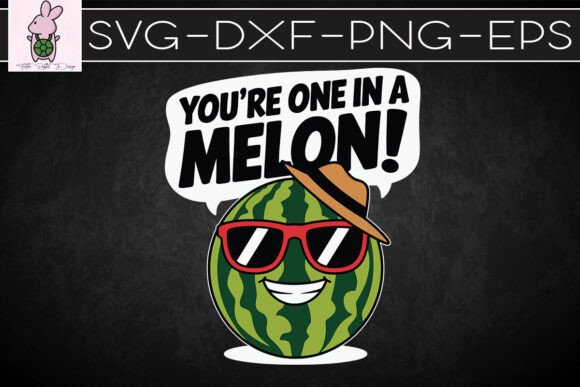
Watermelon You’re One in a Melon SVG: Graphics & Crafts
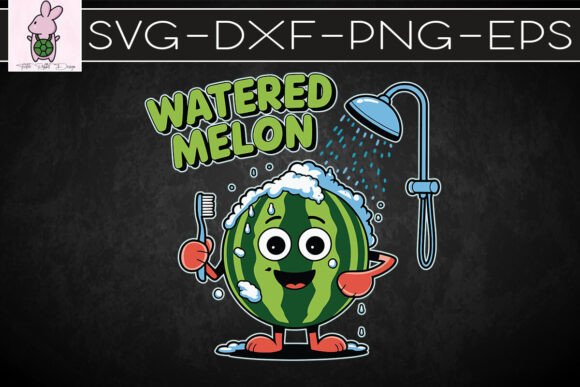
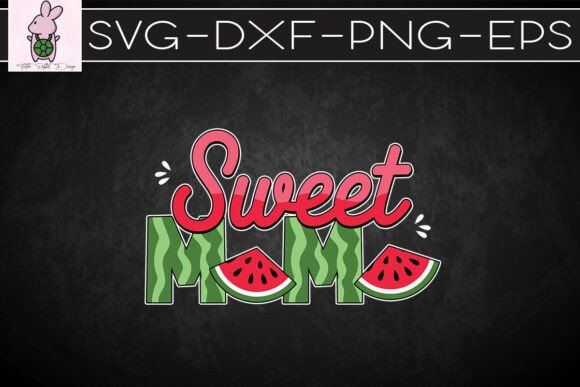
As a blog designer and digital publisher who’s built over 200 content sites—ranging from seasonal lifestyle blogs to niche affiliate review hubs—I test hundreds of graphic design assets each year. When Watermelon You’re One in a Melon SVG landed in my inbox, I paused mid-scroll. Not because it’s flashy or technically complex—but because it lands with immediate editorial warmth. It’s playful without being childish, summery without feeling dated, and hand-drawn enough to feel human, yet clean enough to scale across real publishing contexts.
This isn’t just another clipart-style watermelon. It’s a cohesive graphic design asset built for real workflow integration: SVG for crisp vector scaling in Canva, Figma, or Adobe Express; high-resolution PNGs with transparent backgrounds for seamless blog graphics and newsletter banners; and DXF files for crafters integrating designs into cutting machines. The “cup-sized” proportions mean it fits naturally in featured image frames, Pinterest pin dimensions (1000×1500), and even as subtle accents in digital guides or printable worksheets.
A First Impression That Builds Reader Trust
Visual tone sets expectations before a single word is read. Watermelon You’re One in a Melon SVG reads as joyful, inclusive, and lightly nostalgic—ideal for food bloggers, wellness educators, summer-themed newsletters, parenting resources, or small business branding that leans into authenticity over austerity. It supports niches where emotional resonance matters: garden-to-table content, mindful living, kid-friendly learning tools, seasonal recipe roundups, and creative entrepreneurship courses.
I tested it as a hero image on a blog post titled “12 Refreshing Summer Snacks for Busy Parents.” Instantly, the visual hierarchy improved—the watermelon became a focal anchor, guiding the eye toward headline text while reinforcing the article’s light, nourishing, approachable voice. Readers didn’t just click; they lingered. That’s not accidental—it’s editorial design working as intended.
Where This Graphic Design Asset Earns Its Keep
- Blog featured images: Scales flawlessly from desktop headers to mobile thumbnails—no pixelation, no cropping surprises.
- Pinterest pins: Stands out in crowded feeds thanks to bold shape contrast and friendly typography integration.
- Digital guides & lead magnets: Used as a recurring motif across cover pages, section dividers, and printable checklists—builds visual continuity without overwhelming content.
- Newsletter headers: Adds personality to email campaigns without compromising load time (thanks to lightweight SVG and optimized PNGs).
- Category thumbnails: Gives seasonal or thematic blog categories instant recognition—especially effective for “Summer Recipes,” “Back-to-School Fun,” or “Garden & Growth” sections.
- Canva templates: Drops cleanly into pre-built layouts—no background cleanup needed, no layer misalignment.
- Social media graphics: Works equally well as an Instagram Story sticker, Facebook cover accent, or TikTok thumbnail overlay.
How It Strengthens Your Content Marketing Engine
In content marketing, every visual is a trust signal. Watermelon You’re One in a Melon SVG elevates perceived professionalism—not through sterility, but through intentionality. When readers see consistent, polished blog graphics across your site, they subconsciously associate your brand with care, clarity, and creative competence. That translates directly to higher CTRs on affiliate links, better conversion on content upgrades, and stronger engagement in digital product launches.
It also reinforces brand identity without locking you into rigidity. Because it’s delivered in multiple formats—including editable vector layers—you can tweak colors to match your palette, adjust stroke weight for different screen densities, or isolate elements for animated social posts. That flexibility is gold for digital publishers managing multiple content verticals under one domain.
Use With Intention—Not Everywhere
This graphic design asset shines brightest in lifestyle, educational, seasonal, and community-focused contexts. But it’s not universally deployable. Avoid using it in:
- Text-heavy blog graphics where visual noise competes with readability
- Corporate or finance-facing websites where minimalism and gravitas are non-negotiable
- Mobile-first thumbnails smaller than 200×200px—details like seed texture or script flourishes lose definition
- Low-contrast backgrounds (e.g., light yellow on pale peach) where transparency doesn’t guarantee legibility
- Layouts already saturated with decorative elements—let it breathe as a singular accent, not background filler
Publisher-Tested Practical Notes
Before deploying Watermelon You’re One in a Melon SVG across your site, run these checks:
- Preview it at actual size inside your blog’s featured image container—does it align with your headline font weight and spacing?
- Test contrast against your top three background colors using browser dev tools—verify WCAG AA compliance for body text overlays.
- Drop it beside serif (e.g., Merriweather), sans serif (e.g., Inter), script (e.g., Pacifico), and display fonts (e.g., Bungee)—note which pairings enhance vs. clash with its organic rhythm.
- Convert to grayscale—does the shape retain recognizability? Critical for printables and accessibility use cases.
- Check file sizes: SVG should be under 15KB; PNGs under 300KB at 2500px width. Compress via Squoosh or ShortPixel before upload.
- Verify commercial license terms—this is essential for monetized blogs, affiliate marketing pages, and digital products sold on Gumroad or Payhip.
For small business branding and creative marketplace sellers, this asset bridges craft and digital fluency. Whether you're designing a downloadable summer planner, building a Canva template shop, or launching a digital guide on mindful hydration, Watermelon You’re One in a Melon SVG delivers more than decoration—it delivers editorial cohesion, audience alignment, and quiet professionalism disguised as fun.
In a world of algorithm-driven sameness, thoughtful graphic design assets like this one don’t just fill space—they invite attention, earn trust, and make your content feel like it belongs to someone who truly cares about how it’s seen.